
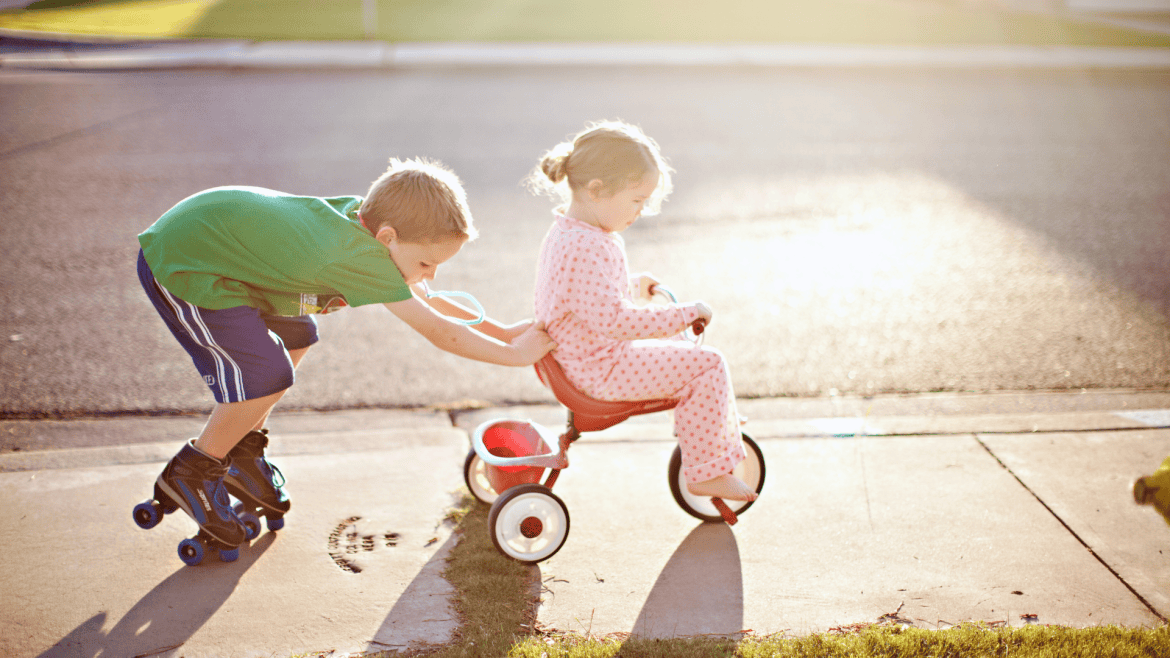
Creating strong sibling bonds can significantly enhance the family dynamic and contribute to enriching family life. Establishing shared routines is a proven method to help siblings build lasting connections and strengthen their relationships. By engaging in regular activities together, siblings can develop a sense of teamwork and mutual understanding that fosters loyalty and companionship.
Daily rituals, whether it’s a shared breakfast, homework sessions, or game nights, offer siblings a chance to interact in a structured yet relaxed environment. These moments provide opportunities for communication, collaboration, and even conflict resolution, all of which are essential skills in any relationship. As they navigate these shared experiences, siblings learn to appreciate each other’s differences and cultivate a deeper emotional bond.
Incorporating routines into their lives can also help siblings create lasting memories. These shared experiences become the foundation of their relationship, promoting a sense of belonging and support within the family. By prioritizing time together through structured activities, families can nurture stronger sibling relationships that last well beyond childhood.
The Power of Shared Routines in Sibling Bonding
Shared routines can significantly enhance sibling relationships, fostering connections and creating lasting bonds. These routines help establish predictability and allow siblings to engage in meaningful experiences together.
Why Shared Routines Matter for Siblings
Shared routines provide a structured environment where siblings can interact regularly. Engaging in consistent activities promotes familiarity, helping to strengthen their emotional ties. For example, siblings who participate in weekly game nights are likely to develop inside jokes and memories unique to their shared experiences.
Moreover, these routines foster an atmosphere of teamwork and cooperation. When siblings work together on tasks, like cooking or cleaning, they learn to rely on each other. This reliance fosters trust, which is crucial for building strong sibling relationships.
The Role of Predictability and Structure
Predictability in routines contributes to feelings of safety and security among siblings. It reduces anxiety by setting clear expectations for interactions. Knowing that they will regularly engage in specific activities allows siblings to feel more comfortable with one another.
Structure also encourages responsibility. For instance, if siblings have a designated evening to do homework together, they not only support each other academically but also learn to manage shared time effectively. This aspect of routine cultivates essential life skills that benefit their relationship and individual growth.
Fostering Shared Experiences Through Routine Activities
Shared activities, such as family traditions or seasonal outings, create powerful memories that contribute to sibling bonding. Whether it’s a yearly camping trip or a movie night, these experiences are often cherished and remembered long after they occur.
Activities that involve collaboration—like building a treehouse or participating in community events—help siblings forge connections through shared goals. The teamwork involved encourages communication and problem-solving, reinforcing positive connections. By participating in such routines, siblings are more likely to develop a lasting bond that enhances their overall relationship.
Practical Strategies to Strengthen the Sibling Bond
Strengthening the sibling bond requires intentional actions that promote teamwork, accountability, and shared experiences. The following strategies focus on collaborative responsibilities, family traditions, and mutual encouragement.
Joint Responsibilities and Household Chores
Assigning joint responsibilities can foster cooperation among siblings. When siblings tackle household chores together, they learn to communicate effectively and share tasks. This approach not only divides work but also encourages them to hold each other accountable.
Create a chore chart that lists tasks and rotation schedules. For example, one sibling could handle dishes while another takes care of vacuuming. They can take turns each week, ensuring that both have equal responsibilities.
Collaborative Projects and Teamwork
Engaging in collaborative projects helps siblings understand the value of teamwork. They could work on school assignments, craft projects, or even garden together. Such activities provide an opportunity to develop problem-solving skills and strengthen their relationship.
Set specific goals for projects. For instance, they might choose to build a model or complete a puzzle together. This kind of teamwork naturally leads to discussions about strategy, creativity, and respect for each other’s ideas.
Establishing Weekly Game Night and Other Family Rituals
Creating a weekly game night can serve as a fantastic bonding experience. It allows for laughter, competition, and teamwork in a relaxed setting. Establishing this tradition gives siblings something to look forward to each week.
Select a variety of games that require cooperation and strategizing. Board games, card games, or even video games can work. The key is to create an environment where siblings can engage, share, and reinforce their bond through friendly rivalry.
Encouraging Positive Reinforcement and Acknowledgment
Positive reinforcement plays a significant role in strengthening sibling relationships. Acknowledging each other’s efforts, whether small or large, builds a culture of support. This can be accomplished through verbal praise or small rewards.
Implement a system where siblings celebrate each other’s accomplishments. For example, they might set aside time each week to share something they admire about one another. This practice not only boosts self-esteem but also fosters a deeper emotional connection.
Building Communication, Problem-Solving, and Conflict Resolution Skills
Fostering effective communication and problem-solving skills among siblings can enhance their connections and reduce conflict. Developing these competencies allows siblings to express feelings, understand each other’s perspectives, and work collaboratively to resolve disputes.
Promoting Open and Positive Communication
Encouraging siblings to communicate openly can establish a foundation for a strong relationship. This involves teaching them to express feelings without fear of judgment.
- Set Aside Time: Dedicate moments for siblings to share thoughts and experiences.
- Use “I” Statements: Encourage them to say things like “I feel” rather than blaming each other, which creates a more supportive atmosphere.
Regular communication increases trust and emotional support. Fostering a habit of talking about their day or discussing feelings can help them feel connected.
Teaching Empathy and Active Listening
Empathy is critical in sibling relationships. Sharing experiences can build understanding and strengthen bonds.
- Perspective-Taking Exercises: Guide siblings to consider how the other feels in different situations.
- Active Listening Practices: Teach them to listen attentively. This involves nodding, summarizing what the other has said, and avoiding interruptions.
By practicing these skills, siblings learn to validate each other’s emotions. This mutual understanding fosters a supportive environment where conflicts can be resolved more easily.
Managing Sibling Conflict Through Conflict Resolution Skills
Conflict is inevitable in sibling relationships. Teaching effective conflict resolution skills helps them navigate disagreements constructively.
- Identify the Problem: Teach them to clarify what the dispute is about before jumping to conclusions.
- Brainstorm Solutions: Encourage brainstorming various resolution options together, enhancing collaborative problem-solving.
Using these methods, siblings can resolve conflicts through negotiation rather than escalation. This teaches them essential skills for future interpersonal challenges.
Developing Problem-Solving Abilities Together
Problem-solving skills can be strengthened through cooperative tasks that require collaboration.
- Use Games and Challenges: Engage siblings in team activities or board games that require strategic thinking and discussion.
- Encourage Creativity: Invite them to find unique solutions to shared challenges, reinforcing their ability to think collaboratively.
These shared experiences enhance their capacity to work together and understand different viewpoints. This shared problem-solving builds confidence and teamwork while nurturing their relationship.
Nurturing Individuality and Mutual Respect Within Routines
Establishing a balance between shared activities and personal space fosters an environment where siblings can grow individually while developing mutual respect. This facilitates deeper connections and a sense of belonging.
Balancing Shared Time and Personal Space
Creating routines that include both shared and individual time is crucial. Shared activities can strengthen sibling bonds, but it is equally important to respect each child’s need for personal space. Parents can schedule family game nights alongside quiet reading hours, allowing siblings to work together and also engage independently.
Designating personal zones within shared spaces encourages children to express themselves. For instance, allowing each child to personalize their room or designated nook with their favorite items fosters individuality. This balance nurtures a supportive atmosphere that values both togetherness and solitude.
Celebrating Each Child’s Unique Strengths
Recognizing and appreciating each child’s unique abilities enhances mutual respect. Parents can identify these strengths during routine activities, such as homework or hobbies, and create opportunities for siblings to showcase their talents.
Creating a “strengths chart” can help visualize individual skills. For example, if one child excels in art and another in sports, parents can plan activities that highlight these talents. Engaging siblings in discussions about their strengths fosters respect and admiration for each other, reinforcing their bond while encouraging personal growth.


