
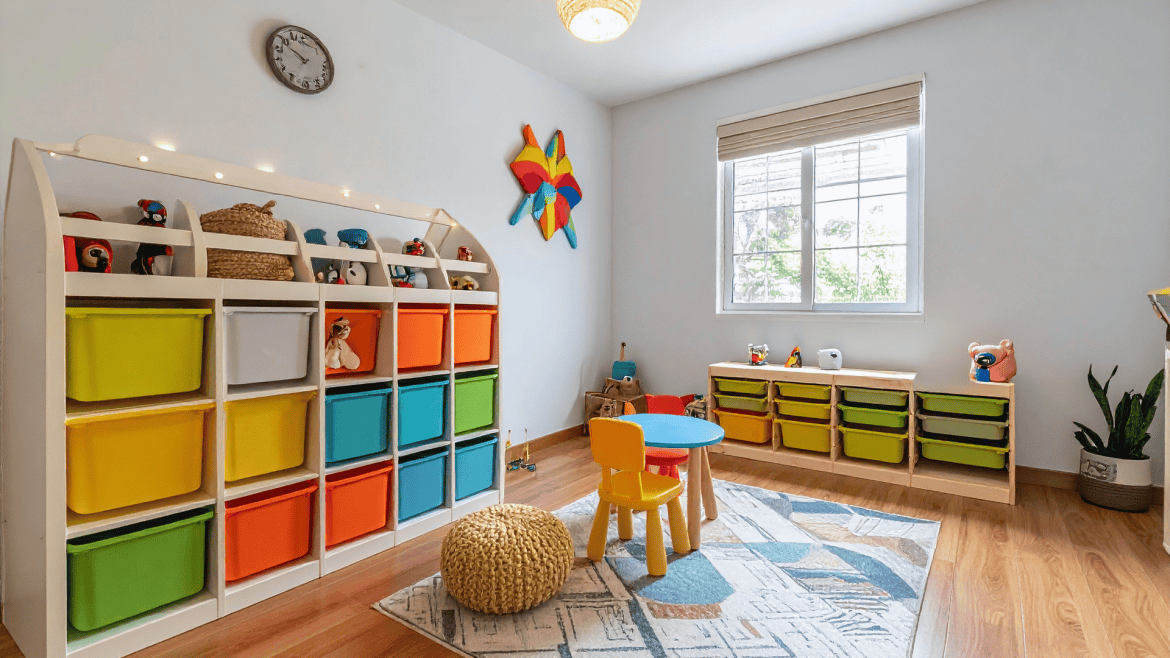
Keeping a home organized with young children can be a daunting task, but it is achievable with the right strategies. Creating designated spaces for toys, clothes, and daily essentials significantly reduces clutter and makes it easier for children to learn how to put things away. By implementing simple storage solutions and routines, parents can maintain order while encouraging children to take responsibility.
Establishing a cleaning routine that involves the whole family can also foster a sense of teamwork. When young children participate in tidying up, they develop valuable habits that benefit them in the long run. Setting aside a few minutes each day for clean-up can make a noticeable difference and help prevent mess from accumulating.
Incorporating fun into an organization can engage young children, making the process more enjoyable. Color-coded bins or labeled shelves not only provide visual cues but also turn tidying into a game. By blending structure and play, parents can create an environment that is both organized and inviting for little ones.
Declutter Regularly to Reduce Clutter
Reducing clutter in a home with young children requires consistent effort and strategic planning. By focusing on key areas, involving children in the process, and maintaining a simple system for donations, anyone can create a more organized living space.
Start With High-Impact Spaces
High-impact spaces include areas most frequently used, such as the living room and playroom. Parents should prioritize decluttering these areas first. Start by choosing a specific time, like the end of the day or week, to tackle one space at a time.
Steps to Declutter:
- Remove Everything: Take out all items from drawers or shelves.
- Sort Items: Categorize into keep, toss, or donate.
- Create Zones: Designate specific areas for toys, books, and games.
Keeping these high-traffic areas organized sets a positive tone throughout the home.
Involve Children in Sorting and Donating
Children can learn valuable lessons about responsibility and generosity by participating in the decluttering process. Involving them helps develop their decision-making skills regarding their belongings.
Engage Them With Tasks:
- Have Fun Sorting: Turn sorting into a game. Challenge them to discover the items they no longer use.
- Teach Donation Value: Explain how donating helps others and the community.
- Set Clear Limits: Use bins or boxes to help them visually see how many items they can keep.
This approach fosters a sense of ownership over their space while reducing clutter effectively.
Keep a Designated Donation Box
A designated donation box serves as a practical solution for managing clutter effectively. Placing this box in an easily accessible area encourages ongoing decluttering.
Tips for Maintaining the Donation Box:
- Regular Checks: Schedule regular intervals to assess the box’s contents, such as weekly or monthly.
- Set Size Limits: Determine a limit for what can fit in the box to avoid overflow.
- Label the Box: Clearly labeling helps everyone understand its purpose.
This simple solution makes it easier to maintain an organized home while teaching children the importance of keeping their environment tidy.
Establish Smart Toy and Item Organization
Creating an organized environment for young children is crucial in reducing clutter and maintaining a tidy space. Implementing specific systems helps ensure toys and items are managed effectively, making cleanup more straightforward for both parents and children.
Create a Toy Checkout System
A toy checkout system can teach children responsibility while helping manage toy clutter. Designate a specific area where toys can be “checked out.” Use a simple chart to track which toys are currently in use and who is using them.
This can be as straightforward as a list on the wall or a digital tracking app. Encourage kids to return toys once they finish playing. This system encourages them to prioritize which toys they want, ultimately reducing the number of toys in circulation at one time.
Implement Toy Rotation
Toy rotation is an effective method to keep a child’s interest in their toys and minimize excess clutter in the home. By keeping some toys stored away and regularly switching them out, kids can discover “new” toys they haven’t seen in a while.
Set a schedule for rotations, such as every month or every season. This approach not only keeps the play area tidy but also stimulates children’s creativity. It’s beneficial to involve children in the rotation process; they can help choose which toys to put away and which to take out.
Label Storage Bins for Easy Cleanup
Labeling storage bins is a straightforward yet powerful tool for organizing toys. Use clear labels on bins to indicate what items belong inside—this could be as simple as pictures for younger children or written words for older kids.
Differentiate containers by toy type, such as blocks, dolls, or art supplies. Ensure labels are at the child’s eye level to encourage them to put items away correctly. Incorporating color-coded bins can also make cleanup feel more engaging for children, turning the task into a fun activity rather than a chore.
Develop Consistent Cleaning Habits
Establishing a structured approach to cleaning can create a more organized and manageable home environment. Implementing a family cleaning schedule, incorporating daily routines, and involving children in clean-up can significantly enhance household organization.
Create a Family Cleaning Schedule
A family cleaning schedule provides clarity and structure. It outlines specific tasks assigned to each family member, helping to share responsibilities. Each week, the schedule can rotate tasks, ensuring variety and engagement.
Example Weekly Schedule:
| Day | Task | Assigned To |
| Monday | Vacuum the living room | Child 1 |
| Tuesday | Dust surfaces | Adult 1 |
| Wednesday | Clean bathrooms | Child 2 |
| Thursday | Organize toys | Adult 2 |
| Friday | Laundry | Everyone |
Consistency in following the schedule fosters accountability. Tracking progress can provide motivation, as improvements become visible.
Integrate a Daily Cleaning Routine
A daily cleaning routine aids in maintaining a tidy home. Establishing a few quick tasks each day can prevent larger messes from accumulating.
Suggested Daily Tasks:
- Make beds
- Wipe kitchen counters
- Tidy living spaces
- Quick bathroom check
Begin with simple tasks that can be completed in 10 minutes. Gradually, these actions become habitual. Timing them to fit into daily activities makes it easier to stay on track.
Encourage Kid Participation in Clean-Up
Involving children in cleaning tasks cultivates responsibility and teamwork. Assign age-appropriate chores that make cleaning feel like a game rather than a chore.
Fun Cleaning Ideas:
- Use a timer for speed clean-ups.
- Create a reward system for completed tasks.
- Turn music on to make the process enjoyable.
Fostering a positive attitude toward cleaning helps children embrace their roles. Making it a joint effort strengthens family bonds and keeps the home organized.
Promote Long-Term Organization Skills
Creating long-term organizational habits in young children is essential for maintaining an orderly home. By focusing on accessibility and personal responsibility, children can learn to manage their belongings effectively.
Make Storage Accessible and Logical
Storage solutions should be easily accessible for children. Utilizing low shelves and bins allows them to reach their items without assistance. Color-coded bins or labeled containers can help children recognize where each item belongs, fostering independence in tidying up.
Incorporate clear guidelines for storage. For example, toys can be grouped by type—blocks in one bin, stuffed animals in another. This organization method makes it easier for children to find their belongings and return items after playtime.
Regularly rotating and decluttering toys can also keep them engaged. Keeping only the most used items out encourages more thoughtful play and reduces overwhelm.
Teach Responsibility and Ownership
Children can learn the importance of taking care of their belongings. Assigning daily tasks helps them understand responsibility. For instance, a child could be tasked with putting away their shoes or organizing their books each evening.
Celebrate efforts and achievements. Positive reinforcement motivates children to take ownership of their space. Using a reward chart for completing tasks can encourage consistency in their organizational habits.
Discuss the value of organization in everyday life. Helping children understand how being organized affects their ability to find things, complete homework, or prepare for outings can foster a deeper appreciation for maintaining order.

